Simple Way to Make Perfect Kimchi
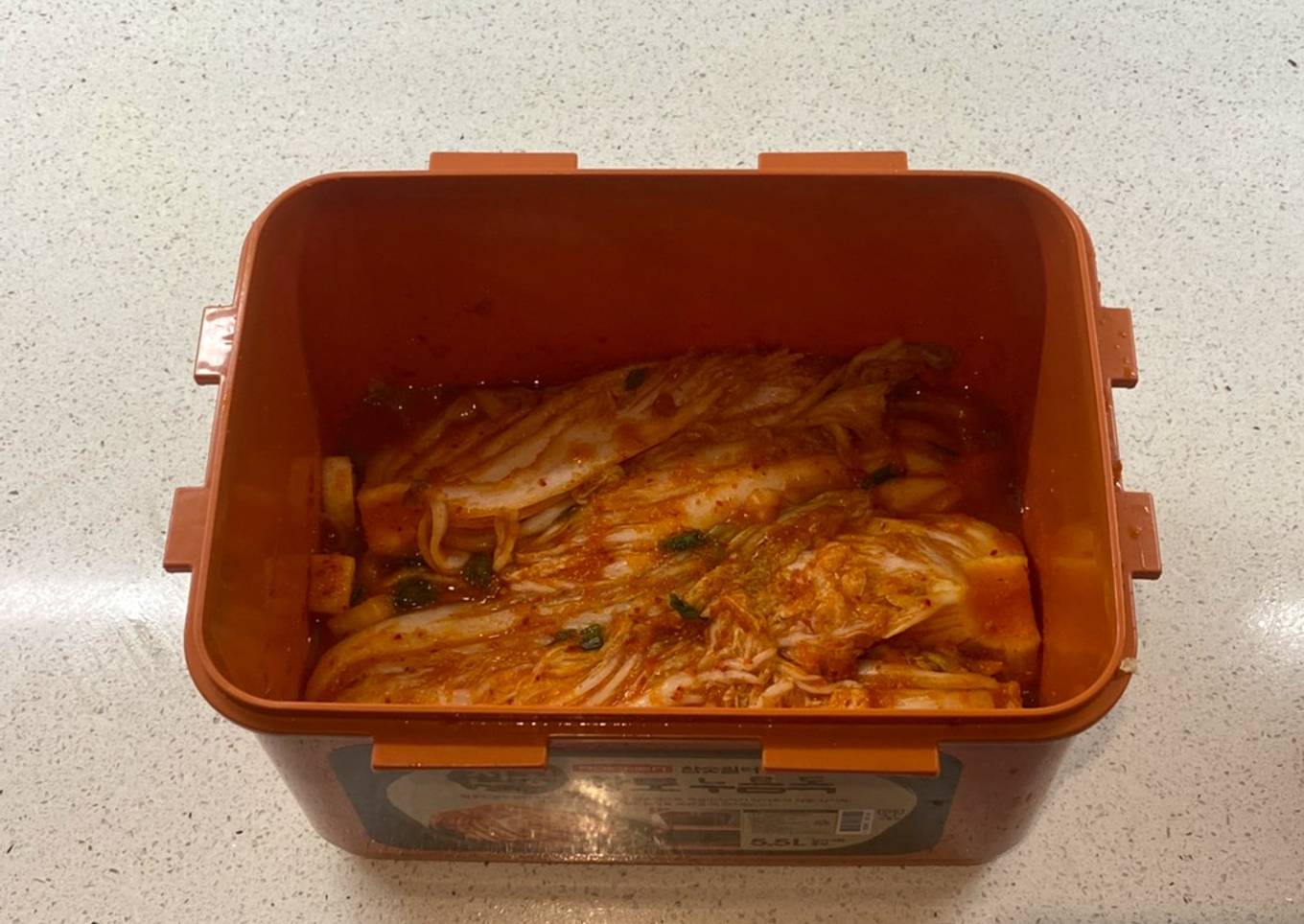
Hey everyone, it is Drew, welcome to my recipe page. Today, I will show you a way to prepare a special dish, Simple Way to Make Homemade Kimchi. It is one of my favorites. This time, I am going to make it a little bit unique. This will be really delicious.
When it comes to cooking wholesome meals for the families, there's obviously some level of dissention among the positions. The fantastic news is there are recipes that have become healthy but also the healthful nature of these recipes is somewhat concealed. What they do not know in such instances truly should not attract harm their way (outside of allergies, which will never be ignored).
Which usually means at any given time in your cooking cycles there is quite probably some one somewhere that is worse or better in cooking more compared to you personally. Take advantage of this as the very best have bad days when it comes to cooking. There are several men and women who cook for different reasons. Some cook in order to consume and live although some cook because they actually enjoy the whole process of ingestion. Some cook through the times of emotional trauma among others cookout of sheer boredom. Whatever your reason behind cooking or understanding how to cook you should begin with the basics.
First of all, not all of great lunches need actual cooking as a way to organize. A few of them are going to require the use of this microwave and a few of them are going to need to get cooked or at least prepared in advance and reheated. Your options are virtually limitless once you comprehend the creative concept that really must be inplace. You should also see that many of these notions are so simple that you may wonder why in the world you have never considered them. I hope that some of these thoughts will end up chief features within your own home.
Many things affect the quality of taste from Kimchi, starting from the type of ingredients, then the selection of fresh ingredients, the ability to cut dishes to how to make and serve them. Don't worry if you want to prepare Kimchi delicious at home, because if you already know the trick then this dish can be used as an extraordinary special treat.
As for the number of servings that can be served to make Kimchi is 4-6 servings. So make sure this portion is enough to serve for yourself and your beloved family.
To begin with this particular recipe, we have to first prepare a few ingredients. You can cook Kimchi using 15 ingredients and 13 steps. Here is how you cook it.
I first learnt to make this a few years ago. My husband set me this challenge. To learn how to make kimchi as we wanted to gift these in jars to our family. I looked into different recipes and watched videos about how to make kimchi. Kimchi is a traditional dish in Korean cuisine, consisting of salted and fermented vegetables. This can be with napa cabbage or radish. The seasoning on making this can vary and be different dependng on prefernce, such as the use of seasonings like gochugaru (chili powder), spring onions, garlic, ginger etc. There are so many different varieties of kimchi made using different vegetables as the main ingredients. Traditionally, kimchi was stored in the ground in large earthenware to prevent the kimchi from being frozen during the winter months. Kimchi can be made as the base for a variety of soups or stews and even rice dishes. Here is my version of how I make kimchi using Chinese cabbage (sometimes I mix it up and also add daikon with it). Ingredients can be substituted to preference which I have on my family's taste and what is available to buy in the Oriental supermarket at the time. Although a long and tedious process, it is so rewarding at the end and also lasts ages if stored properly. I dedicate this recipe to my family and friends. I gift them a jar of my homemade kimchi. #Kimchi #fermentation #preservingfood #Korean #Koreanfood #recipechallenge #lactofermentation #Christmas #Christmasgift #Gift
Ingredients and spices that need to be Get to make Kimchi:
- Salting the cabbage:
- 3 Chinese cabbages, each cut into half and then into quarters
- 2-3 cups coarse sea salt
- Water for rinsing Chinese cabbage
- Kimchi paste:
- 1 brown onion, cut into quarters
- 5-6 whole cloves garlic (use more or less depending on preference)
- 1-2 slices ginger (add more or less depending on preference)
- 2-3 Chinese pear (or use sweet and juicy gala or fuji apples), peeled and cut into chunks
- 2-3 tablespoons honey or sugar (use more or less depending in preference)
- 1/4 cup fish sauce (use more or less depending on preference)
- 1/4 cup Korean chilli flakes (these flakes are finer, use more or less depending on preference)
- 3 tablespoons Gochujang Hot Pepper Paste (use more or less depending on preference)
- 1/4 cup water (may need to add more water)
- 4 spring onions finely sliced (to be added into paste at the end)
Steps to make to make Kimchi
- For the cabbage, salting is the first process. Wash the cabbage, cut the cabbage in half and then each half into half again. Sprinkle coarse sea salt between the leaves of each cabbage starting from the bottom of the leaves where the stem is and working towards the top.


- Place salted cabbage in a large container with a lid and leave for 4 hours. Then turn the cabbage over and leave them for another 4 hours or over night. The cabbage are ready to be washed when you can bend the cabbage leaves without them snapping. Rinse the cabbage leaves a few times to wash of the salt properly and thoroughly.


- Thoroughly wash the cabbage in water about 3-4 times. Tip: each time the cabbage is washed it should be with fresh water. Tear a tiny piece of the cabbage leave to taste how salty it is. If the cabbage still taste salt wash a few more times to get rid of the remaining salt.
- Drain the cabbage using a colander and leave for an hour or so to get rid of any excess water on the leaves. In the meantime chop the spring onion sideways and place in a large mixing bowl and set aside.


- In a blender or food processor place the garlic cloves, onion, ginger, pear and blend together. Tip: If it does not blend add a tiny bit of water to start the process. Once ingredients are blended, it should be a smooth paste like consistency.


- Now add chilli flakes and fish sauce, honey, red pepper paste and water. Mix again until the paste now looks red. Give it a taste and adjust if needed (add more honey if you prefer it sweeter, chilli flakes or red pepper paste to make it hotter or fish sauce for saltiness etc). Tip: the paste should be a nice consistency so it's spreadable. Paste should not be too thick or thin (runny).


- Pour the paste into the large mixing bowl with the finely cut spring onions. Mix everything well together and ensure everything is evenly distributed and coated.

- Now it is time to coat each individual cabbage leaves with the paste. Tip: best for this part to wear some rubber gloves and an apron when applying paste as it stains and can get messy. On a large baking tray place a quarter cabbage quarter onto the tray and apply the paste mix in between each of the individual leaves. Generously applying the paste on each of the leaves.


- Once it has been coated well place the that cabbage quarter into the large container or special kimchi boxes (that allow no air to escape). Or if making smaller portions cut the cabbage quarter across into two halves to fit better into the jar(s).


- Repeat the process until there are no more cabbage quarters and leave left to be pasted. Once the jars or containers are full, cover the top with cling film (to prevent air escaping which allows it to ferment better) and place the lid on top of the containers or close the jars.


- Leave the kimchi at room temperature in a cool place away from sunlight and heat. The fermentation process should begin 2 days later. Once it starts to ferment, bubbles will also appear (the bubble gives the taste of tanginess due to it making its own vinegar). Tip: It is ready in about a week and do not be tempted to open the jars or containers before then. Best not to open the kimchi before the week as it will affect the fermentation process.


- After the week is up the kimchi is ready to eat. To eat the kimchi for serving, take one quarter out of the container. Cut once down the middle lengthwise. Then cut across both halves a few times for bite size pieces. Or if using the kimchi from the jar place the kimchi does not need to be cut. Tip: The cabbage end is not served.
- Tip: Kimchi kept at room temperature, lasts 1 week after opening. In the fridge it stays fresh much longer and can be kept between 3 to 6 month as it continues to ferment, this can lead to a more sour taste. Fridge the kimchi after opening as warmer temperatures can spoil it quicker. Place kimchi on a serving plate. Eat and serve as a side dish with a bowl of steamed rice and other accompaniments. Or can even be eaten as a snack or make into a stew and soup.
It's those little measures that you take towards your goal of cooking healthy foods for the family that will matter a lot more than any leap. Before you know it you will discover that you all have more energy and a much better understanding of general wellbeing than you'd have envisioned before changing up your cooking habits. If this isn't sufficient to encourage you however, you may always check out the excuse to go shopping for new clothes after you drop a size or two.
So that's going to wrap it up for this exceptional food How to Make Ultimate Kimchi. Thank you very much for reading. I'm sure that you can make this at home. There is gonna be interesting food at home recipes coming up. Remember to bookmark this page on your browser, and share it to your family, friends and colleague. Thank you for reading. Go on get cooking!

Post a Comment for "Simple Way to Make Perfect Kimchi"